THE PROS AND CONS OF STUDYING IN GERMANY

With almost 200 countries worldwide, picking a suitable destination for your tertiary education can be quite a hard decision to make. However, today, we’ll be going over what it takes to study in Germany.
We’ll dive into some of the factors to consider when considering studying in Germany and present you with some reasons why Germany may or may not be an option for you.

WHY SHOULD I STUDY IN GERMANY?

High-Quality Education

With well-established institutions that date back as far as the fourteenth century, Germany has managed to create a well-respected community of universities that work and strive to bring the best education to prospective candidates worldwide. 

With over 40 internationally recognized universities and more than 17,000 study programmes nationwide, Germany has more than enough options for a high school graduate looking for a potential university match. 

Germany serves high-quality education with a prestigious degree that guarantees you a job, in a world where employment opportunities are continuously depleting. 

Affordable Education

Many countries in the world have respectable universities and greatness to offer, but the difference between them and Germany is that acquiring that education does not create a financial strain on the students. 

As a nation, Germany is strong enough to support its universities through state finance. You do not need to pay high amounts of tuition fees to get access to high-quality education. 

The idea of affordable yet high-quality degrees presents an opportunity to bridge the wealthy and the less wealthy together, giving them a better shot at knowledge and educational growth.

Rich Culture and Lifestyle

As a first-world country with old roots and a great economy, Germany is a great place to be for a university student looking for more than just school and books. Germany has an incredibly rich history, culture, and lifestyle.

 With incredible architecture and classic art and music, Germany stands to give students an enriching experience that will broaden their minds and challenge their perspective – creating the bright, young leaders that are desperately needed to direct today’s world.

Great Location

Positioned fairly close to the center of Europe, Germany seems the perfect place for a student to live, considering how easy it becomes for one to travel to other countries for leisure trips places far and wide. 

Whether by train, plane, or sea, travelling around the continent becomes conveniently cheaper due to Germany’s central location, and with abundant job opportunities for students, studying in Germany also becomes another opportunity to explore the world and what it has to offer.
THE CONS OF STUDYING IN GERMANY

Language Barrier

Although Germany offers some world-renowned education, the degree comes at a cost. The majority of the available bachelor’s degrees are studied in the German language, and specific fluency levels are required to be accepted, at your own cost. 

There are six language levels to conquer, but at least three are required for most universities to successfully admit you, so German language lessons are much needed. 

Here at Kampus Konnekt, we can provide German lessons to help you solve this problem. German is not only needed to study, but it’s also useful in daily life, especially for ease of communication.

Working Limits

As a student in Germany, you can get a job, but your working hours are very limited. An international student is only allowed 120 full working days, with a maximum limit of how much money they can earn before they are required to pay tax and change their insurance costs. This results in higher costs and bills that may prove harder to keep up with.

The opportunity to study tertiary education is valuable, and its requirement in the modern world has grown considerably fast over the last century. 

Kampus Konnekt is here to help you realize your dreams, by connecting you to quality education and helping you conquer any obstacles along the way.
THE LIFE OF AN INTERNATIONAL STUDENT IN GERMANY

As a foreigner in a country you’ve never been to before, you might probably find it difficult to feel at home or to get used to the environment or even how things are done.

As an international student living and studying in Germany or planning to, there are quite some interesting facts you should take note of. Germany has a lot to offer aside from the success of the German educational system.

The Grace of Learning a New Language

I know quite a lot of us find learning a new language fun and interesting. Even if you don’t fall into this category, as an international student in Germany, there is a chance that you’d be tempted to learn the German language for better communication with people. The German language happens to be the most spoken language in the world and the most spoken native language in the European continent. With this, there is an open door of job opportunities waiting for you in German companies globally.

Work Opportunities Available on a Platter of Gold.

In Germany, international students are allowed to work part-time unlike in some other countries where there are restrictions but only for up to 20 hours a week or 120 days full days a year. This could help your employment experience and also help pay bills, reducing the burden on your finances.

You must also keep in mind that, international students aren’t allowed to be self-employed or to freelance and if you want to work past the limited hours, you are to take permission from the local employment agency and the foreigner’s registration office.

Here are some of the part-time roles you can lay your hands on in Germany, as an international student:

  •  A Tutor
  • A German Language translator
  • A Waiter
  • A Babysitter
  • A Writer
  • A Bartender
  • A Cashier
  • A Courier
  • A Library Supervisor at your academic institute
  • A Filling document officer
  • A Media Personae

 Read More on How to Fund Your Studies in Germany

A Chance for Exploration

If you love to travel around Europe and vlog, seeing new places and trying new things, I guess it’s a plus for you as an international student in Germany. There are lots of beautiful places to visit and new food to try, new culture and customs to learn and new friends to make. This gives room for socialization and cultural awareness.

A Low or No Tuition Fee

For public universities in Germany, the cost of studying is low or free. This makes it easy for international students to live and learn comfortably. 

The Standard of Living

The standard of living in Germany as an international student is quite low. The expenses of rent and other finances are affordable. With this, there will be enough to save and probably invest. Read here for more tips on how to live in Germany.

A building architecture

The Work Opportunities In Germany

A building architecture

Working in Germany is a great opportunity for anybody looking to grow their career as well as start it. In this article, we will look at three sectors that dominate the German economy and the various work opportunities in Germany that can be pursued both within and out of these industries.

Opportunities in Medicine

Germany is by far one of the leading economies in the advancement of medical and general science, with over 1000 research facilities, and at least 536,000 physicians and related careers countrywide. A doctor in Germany earns an average salary of 40,000 euros annually, with endless possibilities to upgrade and for specializations.

The general requirements are one full bachelor’s degree in medicine for a standard doctor and a master’s degree for a specialized doctor.

German is used in most of the medical industry, so thorough prerequisite knowledge of the language is required.

Kampus Konnekt provides German language classes, as well as helps you identify and apply to prospective schools that may help you achieve a degree in your desired program, for anybody looking to set up a healthcare career in Germany. 

International medical degrees obtained outside Germany are acceptable, albeit require additional specialized language examination. Among medicine, psychology and natural science are also on the rise and are currently thriving and provide secure jobs across Germany.

Work Opportunities in Engineering and IT

The automotive, chemical, electrical, and mechanical engineering industries are the four biggest contributors to Germany’s economy, currently turning over 1800 billion euros in gross national profit, and employing 6.2 million engineers and technical co-workers, whose numbers are rising with the constant enhancement of technology.

With an average annual salary of 44,000 euros, there are more than 3600 engineering and IT employees nationwide, with abundant work opportunities for more workforce to keep up with the rigorous manufacturing industry that sustains Germany.

Work Opportunities in Architecture

A building architecture

With a constantly growing population in a dynamic world, architects are greatly depended on to create visual works of art in form of their building work. Germany can be seen as an artistic hub when it comes to infrastructure, as the entire country comprises a diversity of architectural styles and expressions.

Whether it’s domestic housing or corporate buildings, architects earn an average of 52,000 euros annually, and are in constant demand across all industries, creating a pool of opportunity for architects in the industry.

The cost of living is relatively higher in the western world, but thankfully so are the salaries. Aside from monetary value, working in Germany stands to give you a better quality of life than the European average, and an enjoyable working experience. Kampus Konnekt is the ultimate German hub, we’re set up to help you with all the information you could ever need; just send us a message and we’ll get in touch.

You can also read more about the economy of Germany here.

THE CULTURAL DIVERSITIES IN GERMANY

Different countries around the world are known for several unique things. The same can be said for a country like Germany. Living in Germany exposes you to the customs, culture, and traditions that contribute to what makes the country and the people unique. Let us take a look at some of the cultural diversities in Germany.

Language

The German language is the official and most spoken language in Germany, Austria, Switzerland, Liechtenstein, and the Italian province of South Tyrol. The German language serves a purpose of an important second language in the Central and Eastern languages. Some of the Western works are written in German. For example, popular works in Philosophy, literature, physics, medicine, art, history, chemistry, and many more are written in the German language. If you’re interested in learning German, check out our page.

 Religion

C:\Users\Madesola69\AppData\Local\Microsoft\Windows\INetCache\Content.Word\gi.png

Christianity has to be the largest religion in Germany. According to research, 54% of people practice Christianity, 40.1% have no religion, 5.0% practice Islam, 0.2% practice Buddhism, 0.1% practice Judaism, 0.1% practice Hinduism, 0.1% practice Yazidi and finally 0.4% practice other religions aside the ones stated.

Local Cuisine

C:\Users\Madesola69\AppData\Local\Microsoft\Windows\INetCache\Content.Word\germany_sauerkraut_1.jpg

The local cuisine in Germany is part of the cultural diversities in Germany. Different countries have foods that they love to eat and consider as unique. In the culture of the Germans, their food is made up of several distinct recipes, which include plenty of vegetables, meat, bread, potatoes, etc. Considering this, you are less likely to go out of the idea of what to eat even if you are the type that is quite choosy.

 The quality of German foods has a high rate of a meat diet, which provides quality protein that helps to maintain, grow and heal the muscles, tissues, and skin of the body. It is also rich in vegetables which help to aid easy digestion.

Music

Ever heard of Rock and Pop? These genres are the most listened to in Germany. Classically, German music is one of the most performed music in the world. Where they have popular composers like Ludwig Van Beethoven, Johann Sebastian Bach, Richard Wagner, and many more known in history and around the world.

Fashion

C:\Users\Madesola69\AppData\Local\Microsoft\Windows\INetCache\Content.Word\11-512.png

Traditionally, Women in Germany wear what is called ‘’Dirndl’’. It has a low neckline, a blouse worn under the bodice, and a wide high waist skirt attached with an apron. For the Men, it is called ‘’Lederhosen’’. It is a well-known outfit which commonly means ‘leather trousers’, worn by riders, hunters and other outdoor laborers.

It could generally be worn during festivals, parties, weddings, or any special gatherings.

The Festivals, Holidays and Celebrations

C:\Users\Madesola69\AppData\Local\Microsoft\Windows\INetCache\Content.Word\D8n0-2XU0AAeV1d.jpg

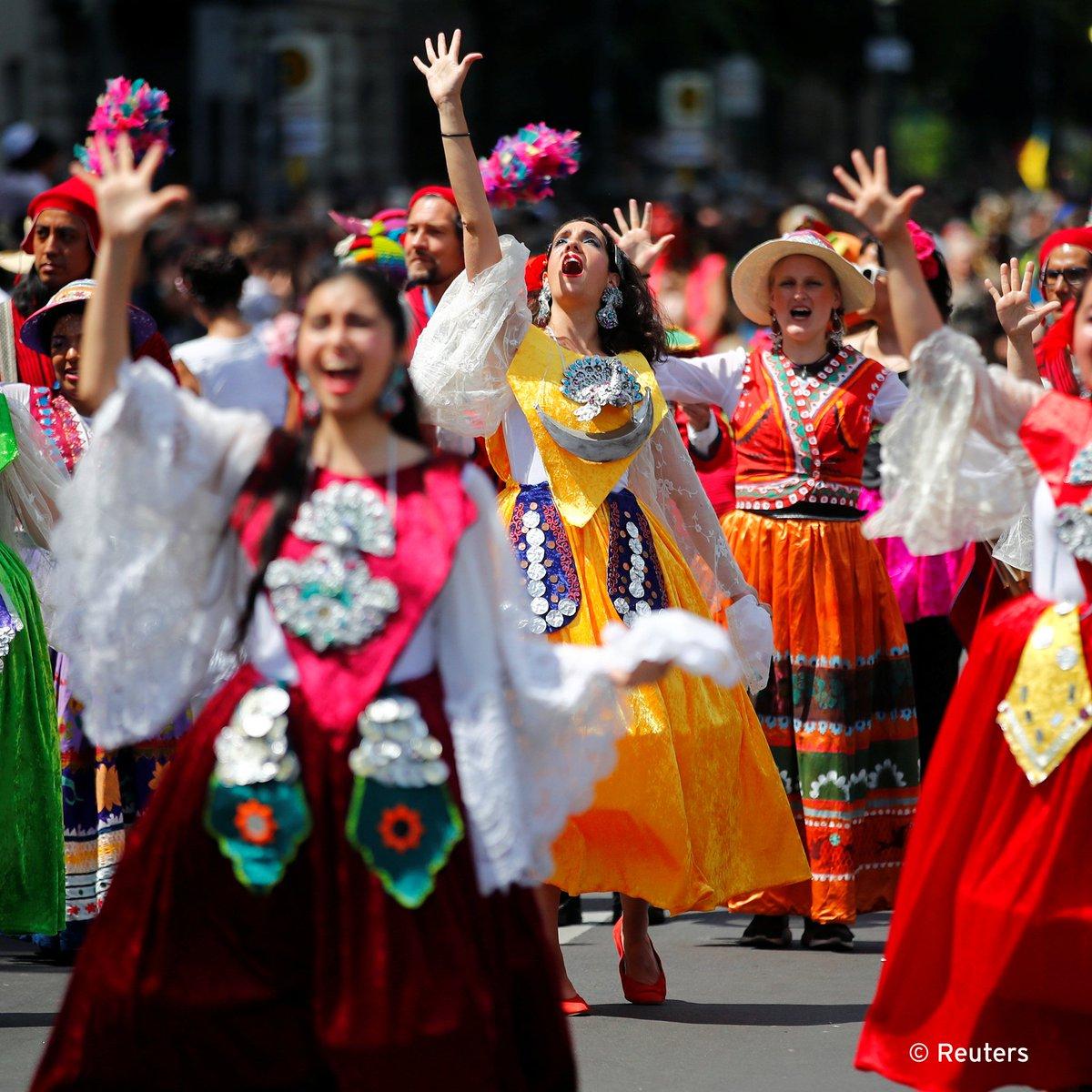
As other countries have special days reserved for special events. Part of the cultural diversities in Germany are the special festivals and celebrations that occur every time of the year.

Here are some of the festivals, holidays, and celebrations that occur every time of the year in Germany

  • Three King’s Day (Drei Konigstag): in Germany, this is the celebration of the 12th day of Christmas.
  • Spargelfest: this is the celebration of white asparagus and it is celebrated during spring.
  • St. Martin’s Day: it is celebrated by youths and this is another chance for German kids to collect candies, after Halloween.
  • Beethoven fest: this is a live concert with classical music.
  • Wurdtmarkt: this is the largest wine festival in Germany. It has to do with the tasting of wine.
  • Munich Opera Festival: this is a musical festival, celebrating culture through music and arts.
  • Rock Am Ring and Im Park: this is a celebration of different music genres like rap, rock, pop and metal.
  • Erntedankfest: it could also be called ‘Thanksgiving’. This is a religious holiday celebrated on the first Sunday of October.
  • Mother’s Day: it usually takes place on the 8th of May. This is the celebration of mothers, expressing our love for them by giving gifts.
  • Oktoberfest: this is an annual beer festival, celebrated for 16-28 days and which days place around the middle of September to the first Sunday of October.

Architecture

C:\Users\Madesola69\AppData\Local\Microsoft\Windows\INetCache\Content.Word\Schwerin_Castle_Aerial_View_Island_Luftbild_Schweriner_Schloss_Insel_See_(cropped).jpg

There are so many famous, attractive and beautiful buildings in Germany. As a foreigner, you could visit some of these places where these famous buildings are located to enjoy the view and take beautiful pictures. Some of these buildings are built half-timbered and from brick.

Some of these famous buildings are:

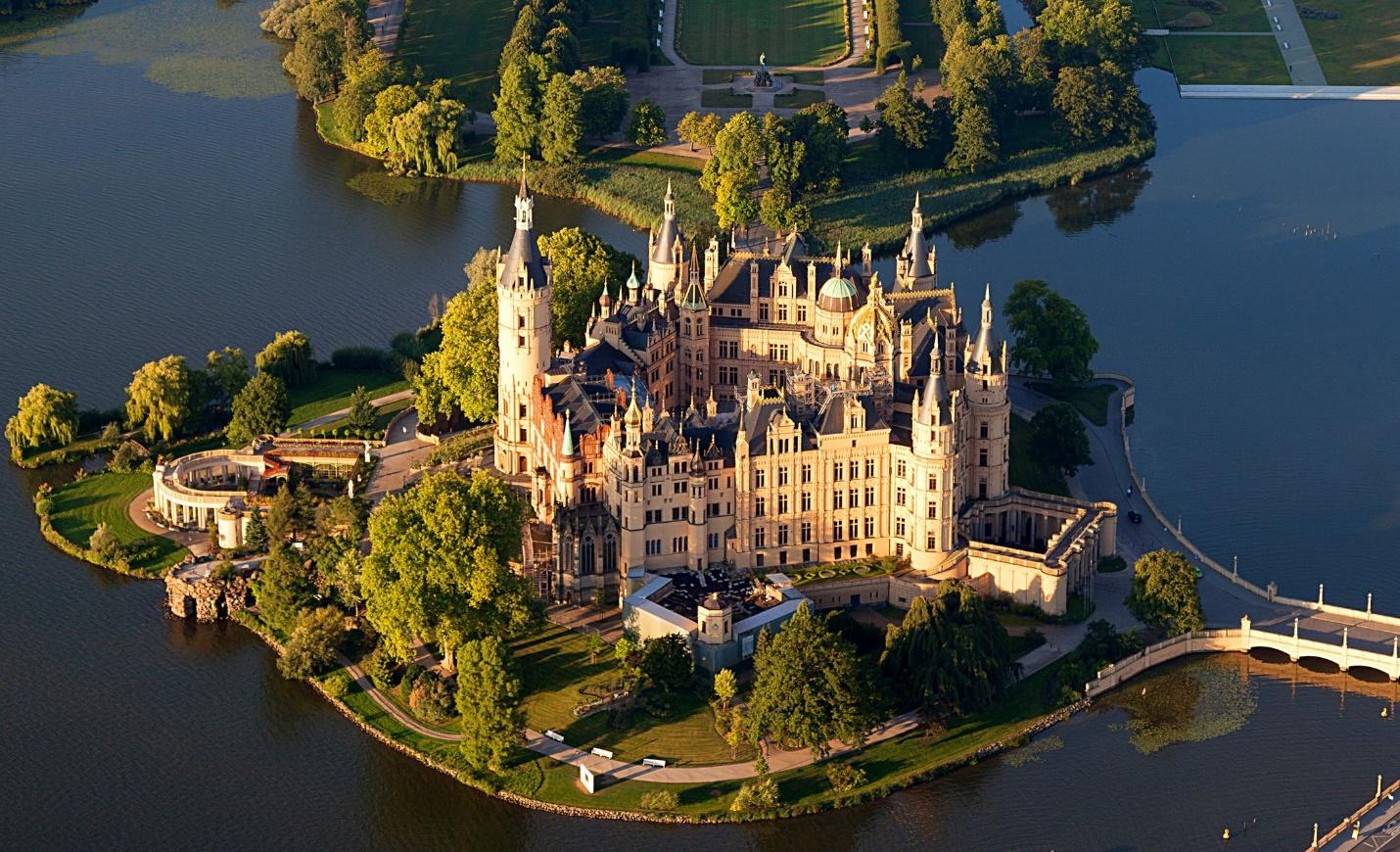
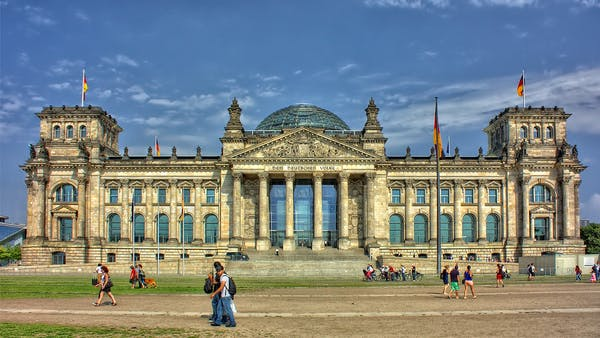
  • Schwerin Castle
  • Trier Saint Peter’s Cathedral
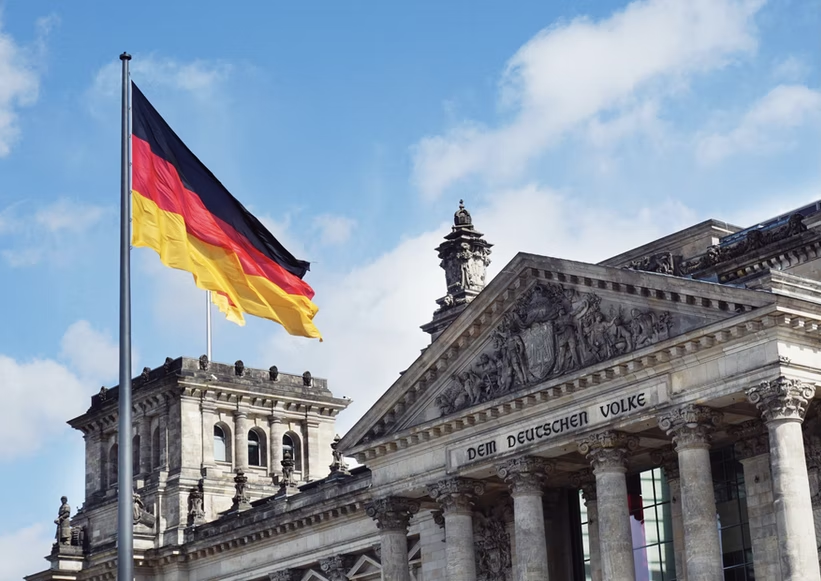
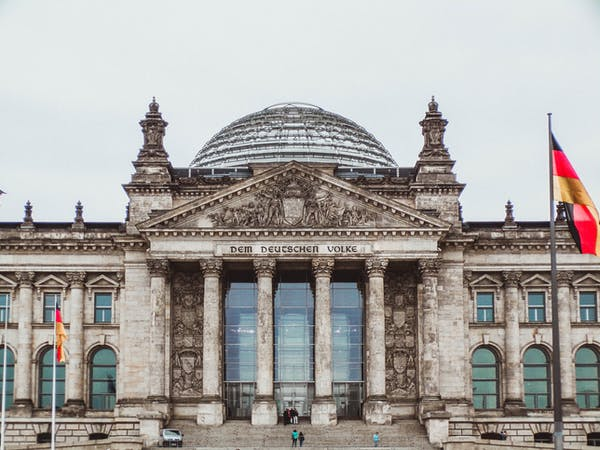
  • Reichstag Building
  • Cologne Cathedral
  • Duchess Anna Amalia Library
  • The Semperoper, Dresden
  • Wiblingen Monastery Library
  • Neuschwanstein Castle
  • Stadtbibliothek Stuttgart Library
  • Vischering Castle

Sports

The major and most popular sport in Germany is football. Other sporting activities are car racing, track and field, cycling, boxing, tennis, handball, alpine skiing biathlon, and ski jumping. For the Olympics, Germany had the highest number of medals during the 1992, 1998, 2002, and 2006 winter Olympics in Turin. 

Arts And Crafts

German arts and crafts create a cultural sense of belongings and experience for people in and out of the country, especially the kids. There are so many beautiful German arts and crafts that have been created in history, which represent a part of the German culture.

Some of the arts and crafts which make up part of the cultural diversities in Germany are:

  • Glashutte: watchmaking
  • Lauscha: Glass Manufacturing
  • Burgel: Small Town Pottery
  • Seiffen: Wooden Art And Toys
  • Markneukirchen; Instrument Making

Symbols

There are symbols in Germany that represents the country as a whole; they show and tell more about the culture, life, history, and people of Germany.

 Some of them are:

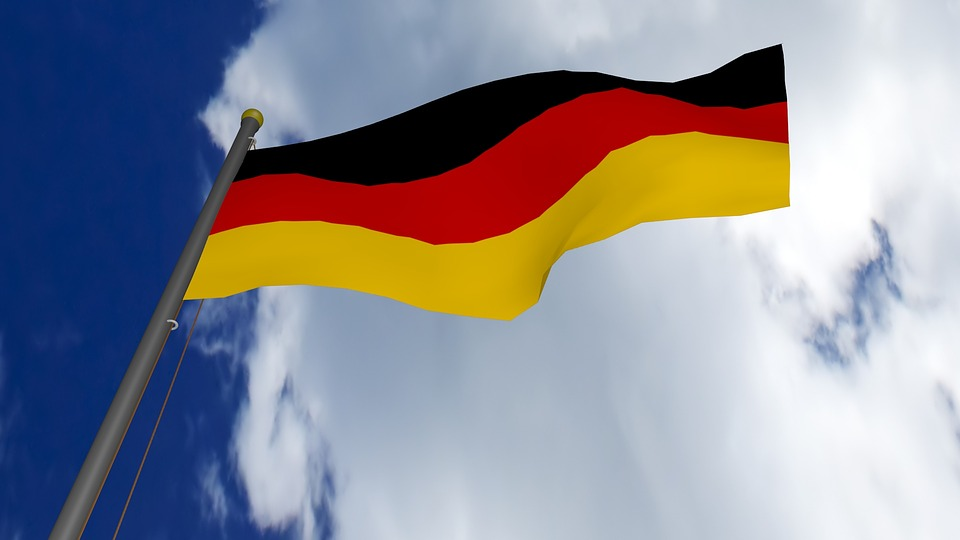
  • The Flag: the flag is a national symbol of Germany. It consists of black, red and gold colors.
  • The Coat Of Arms: the coat of arms of Germany has a black eagle with a red beak, a red tongue, and red feet on a golden field. It is one of the oldest coats of arms in the world and the oldest national symbol used in Europe.
  • The National Anthem (Deutschlandlied): it has been the national anthem since 1922.
  • The Majestic Mark: the iron cross was a military decoration in the kingdom of Prussia and later on, it was in the German Empire.
  • The German Reunification: this was a process by which the German Democratic Republic became part of the Federal Republic of Germany to form the reunited country of Germany in 1990. 

If you’re looking toward migrating to Germany, we’re here to make the process seamless for you. Get a free assessment from us here. You can also read more about the cultural diversity in Germany here.

Learning German

Learning German can be done in six stepping stones, each one harder than the next. If you are planning to live in Germany, you should learn as much as you can before you arrive. It will serve you for ease of communication during your time in the country. You can learn German worldwide. But it requires special certificates certified by renowned language institutions such as Goethe, Telc, and many more. Speaking, reading, writing, and Listening are tested to assess your language proficiency.

Elementary Use of Language

The first two levels, A1 and A2, introduce beginners to the German language. With A1, learner understands and communicates simple sentences and familiar expressions, connected to basic wants and needs. There are also basic questions and self-introduction, with the use of slow and clear speaking for maximum understanding.

For A2, the learner now understands regularly used expressions outside their basic needs. They can talk about their surroundings, such as shopping, work, and social surroundings. They can have direct exchanges, and can elaborate more complexly on the topics they learned in A1.

Independent Language Use

Levels B1 and B2 are for intermediate language speakers. In B1, learners can hold a conversation on more than just basic topics. They can construct long and bulky sentences, and can communicate in reference to past and future tenses. They are also able to use accurate grammar and pronunciation of words.

For B2, learners can have complex conversations on specialized topics and communicate with native speakers with little to no problem. They can express their thoughts and feelings in a detailed and fluent manner. Also, they successfully hold concrete opinions on abstract topics.

Autonomous Language Ability

Levels C1 and C2 are the most senior language levels, and present the outmost understanding and manipulation of the language. C1 speakers can understand even implicit text, and can communicate fluently and spontaneously without having to think about it. They can communicate professionally and socially, with diverse vocabulary and almost limitless boundary of conversation.

C2 speakers can practically understand everything read or heard. They can logically analyze information in German with precision, as well as differentiate between dialects.

You can learn German in a classroom or online, where different proficiency levels are for different speaking purposes. You can visit your local German embassy for information on any teachers or German programmes around, or check this website. Even if it’s just for leisure, German is a great language to practice. If you are interested in learning German, check out our page!

education germany

The Education System in Germany

Basic German education consists of pre-school, primary school, secondary and tertiary education. The first three generally lasting up to the age of eighteen years of age. Unlike most countries, the individual states in Germany decide their own route when it comes to administration of education. But with the condition that school is mandatory for all children of six to fifteen, and that public school is free. However, parents are free to enroll their children in private fee-costing schools, or international schools. Let’s take a look at the education system in Germany.

Pre-school Education in Germany

Pre-school is optional, and provides education for children aged one to five years old. Some are public, some are private, and the community’s churches run some others. Its main objective is to enhance communication and language skills through social interaction between students themselves or with teachers. Moreover, an additional objective is developing motor skills, such as self-awareness, self-acceptance, and self-confidence. To achieve that, they sing, read, do physical activities, and are in public environments. At this stage, they do not assess children depending on their academic achievements, but rather their learning activities and overall involvement.

Primary Education in Germany

German primary school generally has four years/grades. But it is not unusual to have schools in some regions that continue to six years. Children have between 20 to 30 school hours a week, increasing as the children get older. Content usually includes German literacy, numeracy, science, a foreign language, art, religion and ethics.

In one education system, students have 5-day school weeks with 188 learning days every year. In another German education system, children have 6-day school weeks with 208 learning days annually. It includes lessons two Saturdays every month.

German primary schools have a 6-mark grading system, ranging from 1 as ‘very good’, and 6 as ‘very poor’. Furthermore, there are no exams administered upon leaving primary school.

Private primary schools include religious schools, international and bilingual schools, Waldorf schools, and Montessori schools. Some of these options are funded by the state, while others are fully private. Therefore, the last option tend to be more expensive.

Secondary Education in Germany

Most states have two phases of secondary education. The first phase, between ages 10 and 15, is a mandatory lower secondary level (Sekundarstufe I). The second upper secondary phase (Sekundarstufe II), between 16 and 18, is optional.

German secondary schools mainly focus on engaging children intellectually, emotionally and physically. They teach children decision making, personal, social and political reasoning and responsibility, as well as helping them reach their academic goals.

There are at least five different kinds of German public schools that cater to different academic needs and abilities. But they are quite similar in terms of what they teach. German secondary schools also use a 6-mark grading system.

Then, we have Gymnasium, or grammar school that lasts up to the age of eighteen. It provides in-depth education and administers exams needed to get into German universities.

Also, we have Realschule that offers generalized education up to the ages of 15/16. Students receive a diploma that allows them to take up vocational qualifications or apprenticeship. They could even transfer to Gymnasium, to continue the second phase of secondary education.

Hauptschule is a basic secondary school for less academic students, lasting up to 15/16. Students there will usually continue with vocational qualifications or apprenticeship.

Gesamtschule is a mixed school offering intermediate level education up to the ages 15 or 16. They promote inclusivity among students, and have become more common recently.

Schularten mit mehreren Bildungsgangen is a specialized school that usually offers two to three different study subjects.

Lastly, Berufsschule are vocational schools mostly for students from first phase schools that wish to continue to the second phase.

Private schools are also categorized into two main groups:

Substitute schools offer the same education as state schools, with the same qualifications. Exemples are international schools, religious schools, and Waldorf/Montessori schools.

Supplementary schools offer education that is different from public schools’, and are usually private vocational schools.

Tertiary Education in Germany

After secondary education, students have the option to continue with university. Just as the prior educational levels, state universities are free, and are also categorized into different groups:

  • Universities
  • Technical Colleges
  • ‘Padagogische Hoschule’
  • Theological colleges’
  • Universities of Applied Sciences
  • Art and Music Colleges
  • Higher Education Institutions for Federal Armed Forces
  • Higher Education Institutions Offering Dual Studies
  • Institutions of Continuing Vocational Education

Each institution specializes on a specific branch of tertiary education. They offer a bachelor’s or an equivalent as the first German Higher Education Qualification, a Master’s as the second, and a PhD as the third. Bachelor’s degrees require a Higher Education Entrance Qualification (Abitur), and an admission exam. As well as Proof of German language proficiency for international students.

Other Education in Germany

Parents that have children with special educational needs (SEN) have the choice of sending them to regular school or enrolling them in specialist schools. Both facilities will provide support for the children that need it. But they put in greater effort and focus, at specialist schools.

Homeschooling in Germany is currently illegal. Furthermore, it requires extensive reasoning and evidence to justify why a child should not attend an educational institution. Only approximately 400 children across Germany are legally homeschooled.

Truly, German education is thorough and branches out to many different specializations at all levels of learning. This is perfect for the ease of students on a wide spectrum of educational ability. There is something for everyone, creating as much inclusivity as possible, for integrated achievement nationwide. If you are looking for support to apply for a higher education degree, ckeck out our services.

jobs students germany

Jobs For Students In Germany

Working while getting a degree in Germany is the most common way for students to make money for themselves, but there are some rules and limits that apply to different kinds of students. Because of this, we cannot rely on part-time jobs only to make enough money to get by every month. This article is designed to lay the basic principles of having a job as a student in Germany. If you want to avoid getting a job while studying, click here to learn how to study in Germany for free!

JOBS FOR EU/EEA STUDENTS

International students from within the EU/EEA are allowed to work up to 20 hours a week during study semesters, tax-free. Earning anything above 450 Euros a month requires you to join the German social security system for mandatory tax deductions, and could also significantly change your health insurance, as well as other bills.

JOBS FOR NON-EU/EEA STUDENTS IN GERMANY

Students from outside the EU/EEA can work during 120 full days or 240 half days per year. Optional internships contribute to work hours, even if the work is unpaid. Mandatory internships for study programmes don’t count. International students also cannot be self-employed, neither can they freelance.

GENERAL JOBS FOR STUDENTS IN GERMANY

A job provided by the university, such as a research assistant, does not count on total hours worked. You may check with the HR department of your university when looking for this kind of job. Your regional employment agency (Bundesagentur fur Arbeit), or online job websites may help you find any forms of external work. Additionally, students studying a language or preparatory course can only work during lecture-free timeframes.

WHAT KINDS OF JOBS ARE AVAILABLE TO STUDENTS IN GERMANY?

Students may take up open positions at the universities they’re studying at, or outside the institution. Job opportunities such as those at cafés and restaurants are quite popular among students, as well as retail jobs. Working online is also an easy job as it will not require commuting from place to place every work day.

Working while study is a great way to make money and socialize at the same time, as well as gain extra credit and knowledge for your studies, if you work in a field relevant to your programme. Whatever the case, Germany is a great place to start your adult life.

graffiti, wall, berlin-643065.jpg

What Is It Like To Live In Germany?

Life outside our home country can be quite different from what we have grown around. Different languages, food, and much more. Experiencing such contrasts can be such a culture shock to somebody who has lived differently their whole life. Moreover, it can be uncomfortable sometimes. This article explores the lifestyle and culture of modern-day Germany, sharing things that you may experience or see there. Let’s see together how it is like to live in Germany.

Food

The German diet is nutritious and heavy. It consists mainly of bread, potatoes, and meat, as well as cake, coffee and beer. Pork is one of the most commonly eaten meats, as sausage or otherwise. Their bread also has a variety of taste and appearance to it, with an abundance of cafes and restaurants. Each one filled with their own unique recipes and twists to popular European food. Common meals may differ from town to town. But there is no shortage of hearty meals and flavorful drinks and desserts. While you live in Germany, you can travel to experience lots of new food.

Weather and Climate

Germany has a temperate climate all year round, with relatively cold winters and moderately warm summers. Although the country experiences four distinct seasons, German weather can often be unpredictable. This is due to different types of currents coming into the country from contrasting regions.

Leisure

In German lifestyle, we normally spend free time doing some sort of physical activity. You can spend your time jogging, skating and cycling, as a casual weekly hobby. More relaxing pastimes include meeting friends at cafes, appreciating different forms of visual art and literature, as well as playing board games. Modern-day hobbies like watching television and surfing the internet are also greatly prevalent, with reading as one of the most common hobbies.

Architecture

German infrastructure is very historical and diverse. They preserved all European architecture styles within Germany, differing from city to city. The disintegrating of the country through centuries of history caused this. Major events such as the damages brought about by the world wars have greatly contributed to the architecture that Germany has to offer today. We can see the country as a building of all shapes and sizes. Without forgetting about the famous Berlin Wall.

Tradition

German traditions vary in size and atmosphere, but all have the same prospect of food involved. A good example is the quaint act of ‘Kaffee und Kuchen’, which is translated to coffee and cake, that is to be often enjoyed in the afternoon among family and friends. In another light, we see the Oktoberfest, where multitudes come together to enjoy and celebrate beer and fellowship throughout the entire month of October. One contemporary tradition that does not involve food is Germany’s love for international travel and sightseeing, with Italy Spain and Austria as the most common destinations.

Culture and Etiquette

Among the German people are values that the country holds dear, and one such value is punctuality. Germany is known for thriving off of order and structure, where things such as punctuality and formality are respected to a higher degree than most countries. Family and community is also a big part of German culture, as well as being conscientious and hardworking. This often induces an environment where familiar peers and neighbors alike invest in quality time and building each other up, creating a place where everyone builds the capacity to hold traditional German values, and keep the cycle going.

In Germany, all genres of life are accepted, and the very concept of life itself is celebrated and enjoyed, as seen by the many efforts of the German to create and maintain zeal in their everyday life. The modern lifestyle of Germany is one that promotes health, happiness, and constant improvement of the environment. Who doesn’t want that? If you want to live in Germany, check out our services for support!

frankfurt, main, skyline-4945405.jpg

Why Choose Germany?

With almost 200 countries worldwide, picking a suitable destination for your tertiary education is a hard decision to make. One place for some of the most important years of your career. As we dive into some factors to consider, this article brings you a few reasons you should choose Germany.

High Quality Education

With well-established institutions that date back as far as the fourteenth century, Germany has created a well-respected community of universities. Indeed, they are famous for working and striving to bring the best education to prospective candidates worldwide. With over 40 internationally recognized universities, and over 17,000 study programmes nationwide, Germany has more than enough options. It is perfect for a high school graduate looking for a potential university match. Germany serves high-quality education with a prestigious degree that will guarantee you a job. Choose Germany and you will not stress about employment opportunities continuously depleting.

Affordable Education

Many countries in the world have respectable universities and greatness to offer. But the difference between them and Germany is gaining that education will not create a financial strain on their students. As a nation, Germany is strong enough to support its universities through state finance. Moreover, it does not require any high amounts of tuition fees to deliver their education. The idea of affordable yet high-quality degrees presents an opportunity to bridge the wealthy and the less wealthy together. It gives a greater audience the chance to better themselves through knowledge and educational growth.

Rich Culture and Lifestyle

As a first world country with old roots and a great economy, Germany is perfect if you are looking for more than just a school and books. Within this beautiful country is rich history, culture and lifestyle. With incredible architecture and classic art and music, Germany stands to give students an enriching experience. This may broaden their minds and challenge their perspective, creating the bright young leaders that we need to direct today’s world.

Advantageous Location

Positioned fairly close to the center of Europe, Germany seems the perfect place for a student to live. It is very easy for one to travel to other countries for leisure trips places far and wide. Whether by train, plane or sea, travelling around the continent becomes conveniently cheaper because of Germany’s central location. With abundant job opportunities for students, university becomes an opportunity to not only study but explore the world.

The opportunity to study tertiary education is valuable, and its requirement in the modern world has grown considerably fast over the last century. Germany offering it at such a beneficial cost is all the better. Choose Germany, choose opportunities.

Sans titre (8)

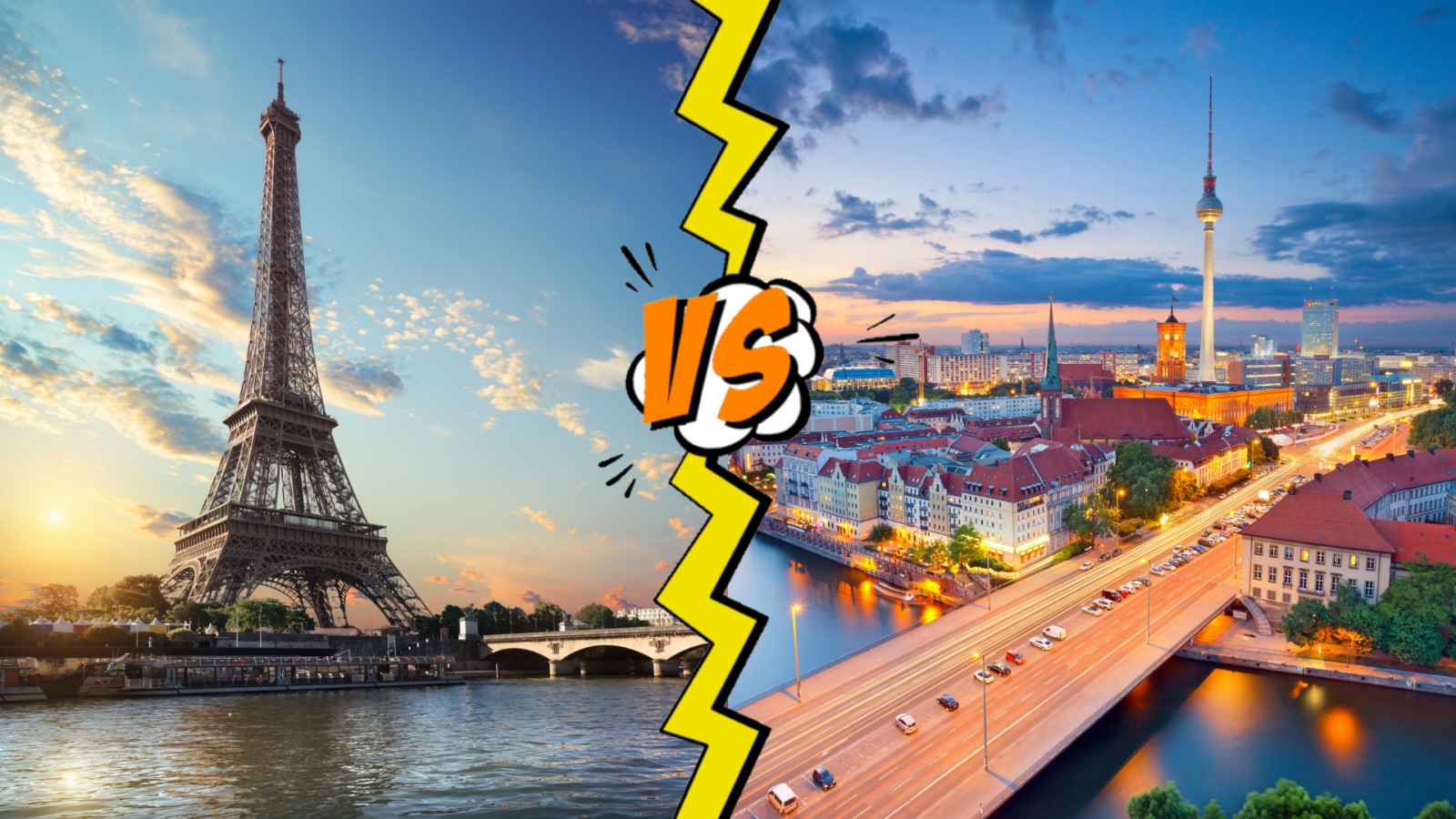
Germany VS France: The Best Place To Study In

Germany was the great winner of 3 previous battles against the UK, the US, and Italy. But now, we would like to see an interesting battle between Germany and a close country: France. As some of you may know, the French regions “Alsace” and “Lorraine” were German for a moment. Thus, German culture can be found in these French areas. But even if they share some aspects of their culture, is their education similar? Is it easy for international students to live there? How do those countries function? Let’s see the best location to study abroad! Who will win, France or Germany?

1) Tuition fees

Tuition fees make a huge difference in the choice of a higher education institution. In France, students have to pay to get into a public university, unless they benefit from a scholarship. The fees to join an undergraduate program won’t go over 650 euros. For a master’s degree, it will be around 250 euros, and 400 euros for a Ph.D. French public universities are pretty inexpensive, and it will be the same price for Europeans and other international students.

As stated in our previous articles, Germany offers the possibility to study for free. Only the state of Baden-Württemberg charges fees of 1 500 euros to all students except doctoral ones. International students can choose from various prestigious universities without worrying about the cost. So, all they would have to pay is an administration fee, which may also include a transport pass.

As usual, Germany wins this one with its easy access to education! Other countries should definitely take Germany as an example.

German 1 – 0 France

2) Cost of living

The cost of living is always something to take into consideration. Everybody enjoys saving money. Just like we did in our previous articles, we will look at monthly expenses and rent prices in the capital cities, Saarbrucken and Toulon.

Some numbers, according to Numbeo:

-Meal at an inexpensive restaurant: 10 euros in Berlin, 15 euros in Paris

-Rice (1kg): 2,12 euros in Berlin, 1,99 euros in Paris

-Chicken Fillets (1kg): 6,98 euros in Berlin, 12,23 euros in Paris

-Potatoes (1kg): 1,54 euros in Berlin, 2,05 euros in Paris

-Monthly transportation pass: 84,50 euros in Berlin, 75 euros in Paris

-A pair of jeans: 80,56 euros in Berlin, 99,33 euros in Paris

A big part of the monthly expenses is rent. In Paris, a 1 bedroom apartment costs 1 267 euros per month, while it would be 921 euros outside of the center. However, it would be 1 127 euros in the city center of the German capital, and 787 euros outside of it.

In Toulon, France, rent would cost 700 euros in the city center, and 600 somewhere else. In Saarbrucken, it would be 616 euros and 450 euros.

Indeed, Paris is surely famous for being really expensive! But it also applies to the rest of France, if we compare it to Germany. Still, the difference is even more important in big cities! Germany is the winner again.

Germany 2 – 0 France

3) Paperwork

Some foreign students can live in Germany just by proving their rights. It is the case for those coming from the EU, Liechtenstein, Norway, or Switzerland. Moreover, it’s pretty easy for students coming from Great Britain, the US or Honduras, and many other countries since they would only need a residence permit to stay over 3 months. However, other international students would need a visa costing 80 euros or 37,50 euros for minors. This visa requires the possession of 10 332 euros per year of study. But you can still avoid this by checking our guide to studying in Germany for free!

In France, EU and EEA students would only need a travel ID document or passport to study there. But, it’s more complicated for other international students. They would need a long-stay visa to pursue their education there. To get it, you must prove your proficiency in French, give information about your previous degrees and grades, and prove you have 615 euros per month (7 380 euros per year). The visa costs 58 euros.

Indeed, it’s easier to stay in Germany since you don’t have to speak German or be an outstanding student, but on the other hand, you need less money to study in France. It may sound illogical, as France is more expensive than Germany. Still, it’s pretty easy for french-speaking people to get their visas. We would say it’s a tie for this one.

Germany 3 – 1 France

4) Culture

As mentioned above, the regions of “Alsace” and “Lorraine” share a similar culture to the German one. For example, Strasbourg is famous for its Christmas market. You can also spot some people that speak German dialects there, which are always interesting to hear!

Still, Germany has its own interesting habits like the abendbrodt, their typical dinner with bread, meats, and cheese. In France, meals really depend on the area you live in, which is really interesting. In these two countries, you’re sure to find something to enjoy.

Germany 4 – 2 France

And the winner is… Germany!!

Germany stays undefeated! Free education, interesting culture, inexpensive life… You will get everything you need! We definitely hope France is not too disappointed and offended. Also, this post was written by a French person so that’s okay. Are you interested in pursuing your education in Germany after reading our article? Check out our services to get started!